

Planning a laboratory setup is a high-stakes investment that demands a fusion of architectural precision and scientific functionality. A well-designed lab is the backbone of innovation, while a poorly planned one leads to operational bottlenecks, safety hazards, and soaring maintenance costs.
To ensure your facility meets international benchmarks, we have identified the 10 most common mistakes in lab infrastructure planning and how to navigate them effectively.
1. Overlooking Workflow Dynamics (The “Lean Lab” Approach)
One of the most frequent errors is designing a lab based on available square footage rather than the actual scientific process.
The Mistake: Crossing paths between sample receiving, preparation, and analysis zones.
The Solution: Conduct a Workflow Analysis before drafting the layout. Implement a “One-Way Flow” to prevent cross-contamination and minimize unnecessary movement, adhering to Lean Laboratory principles.
2. Inadequate HVAC and Airflow Balancing
Laboratory ventilation is far more complex than standard office air conditioning.
The Mistake: Failing to calculate the required Air Changes per Hour (ACH) or improper placement of Fume Hoods.
The Solution: Design a specialized HVAC system that maintains pressure differentials (positive or negative). Utilize VAV (Variable Air Volume) systems to ensure safety while reducing energy consumption by up to 30%.
3. Selecting Non-Compliant Materials and Furniture
Standard office or industrial furniture cannot withstand the rigors of a laboratory environment.
The Mistake: Choosing aesthetic or low-cost surfaces that react with acids or solvents.
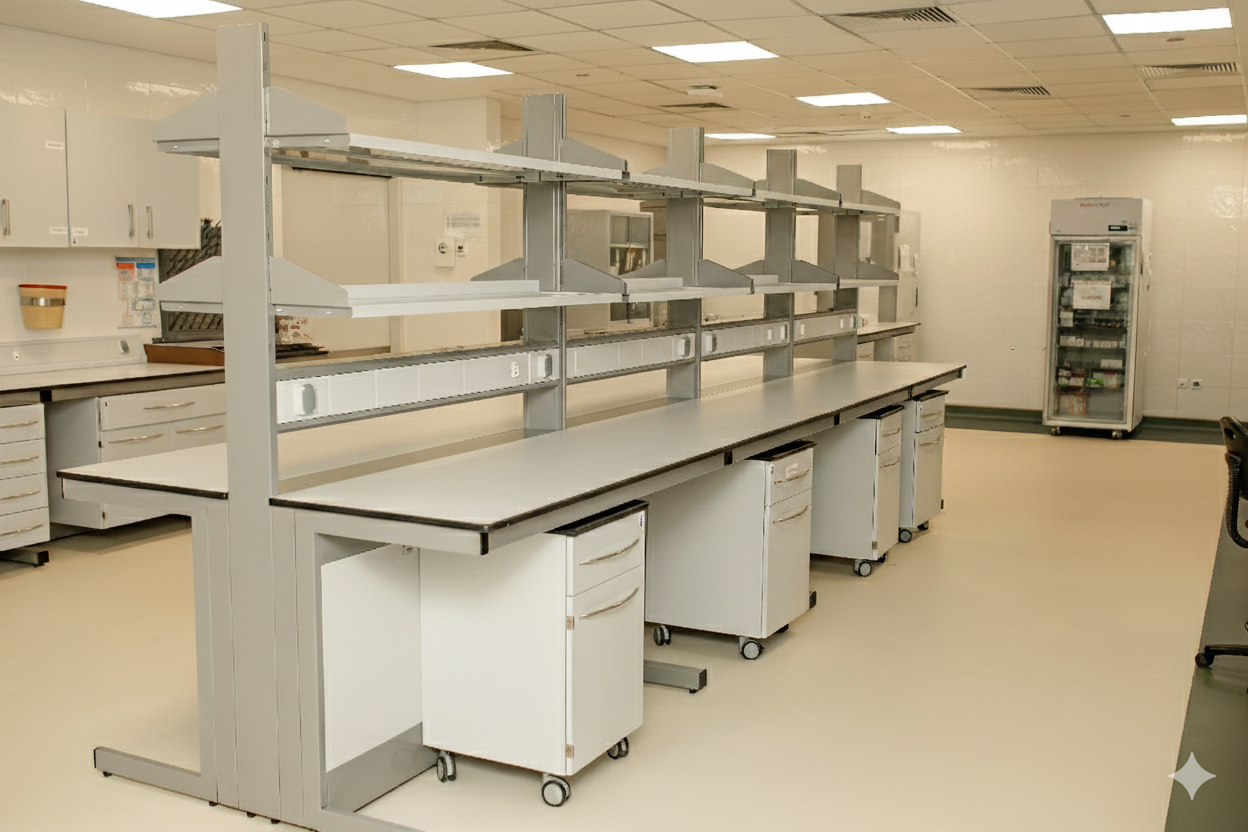
The Solution: Invest in SEFA-compliant furniture. Use Epoxy Resin for high chemical resistance, Phenolic Resin for biological labs, or Grade 316 Stainless Steel for sterile environments.
4. Underestimating Electrical Load and Power Stability
Precision instruments like HPLC, GC-MS, and NMR require “clean” and uninterrupted power.
The Mistake: Failing to account for voltage fluctuations that can damage sensitive motherboards.
The Solution: Plan for dedicated circuits, robust Earthing (Grounding) systems, and Online UPS units to protect data integrity and prevent equipment downtime.
5. Lack of Scalability and Modular Design
A lab designed only for today’s needs will be obsolete tomorrow.
The Mistake: Installing fixed cabinetry and rigid utility lines.
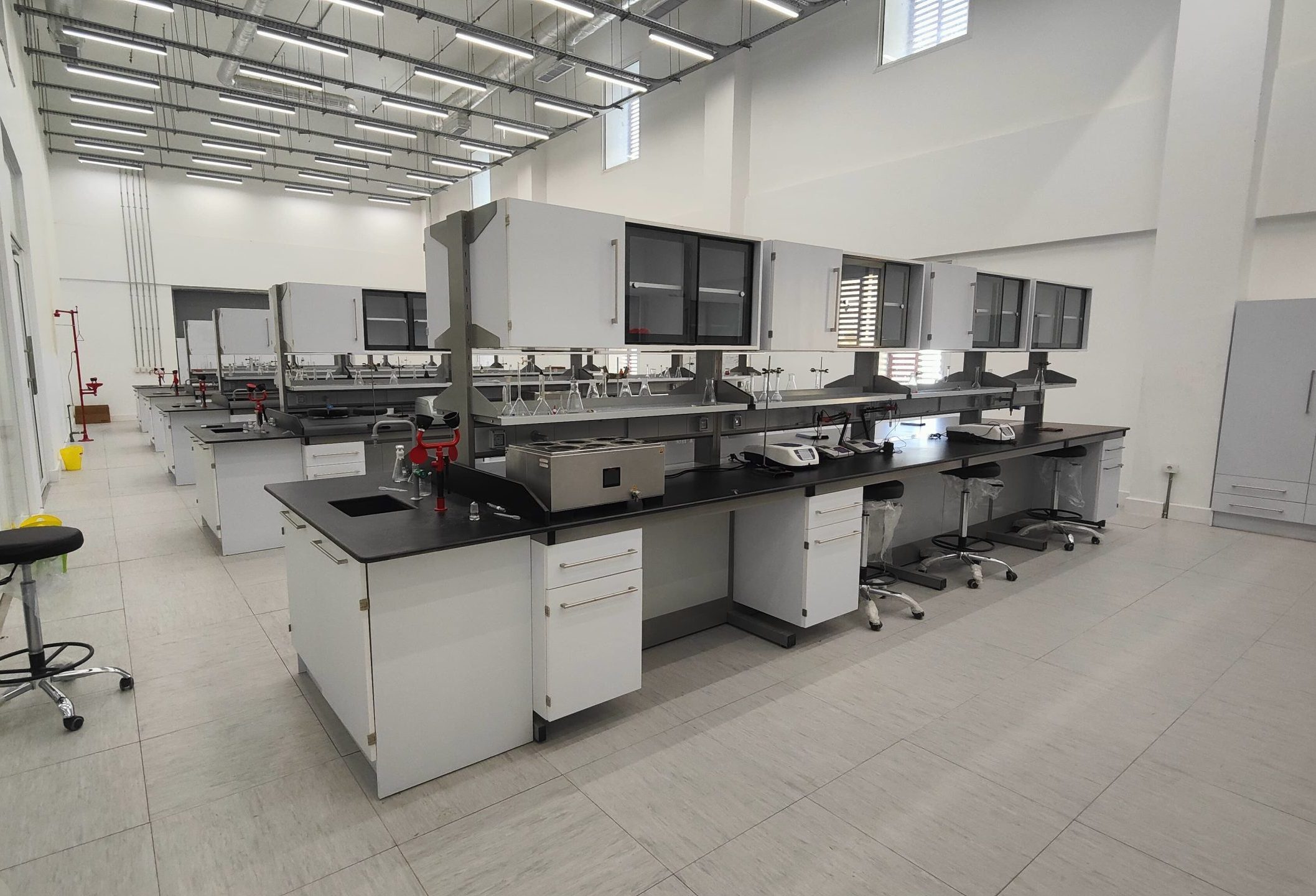
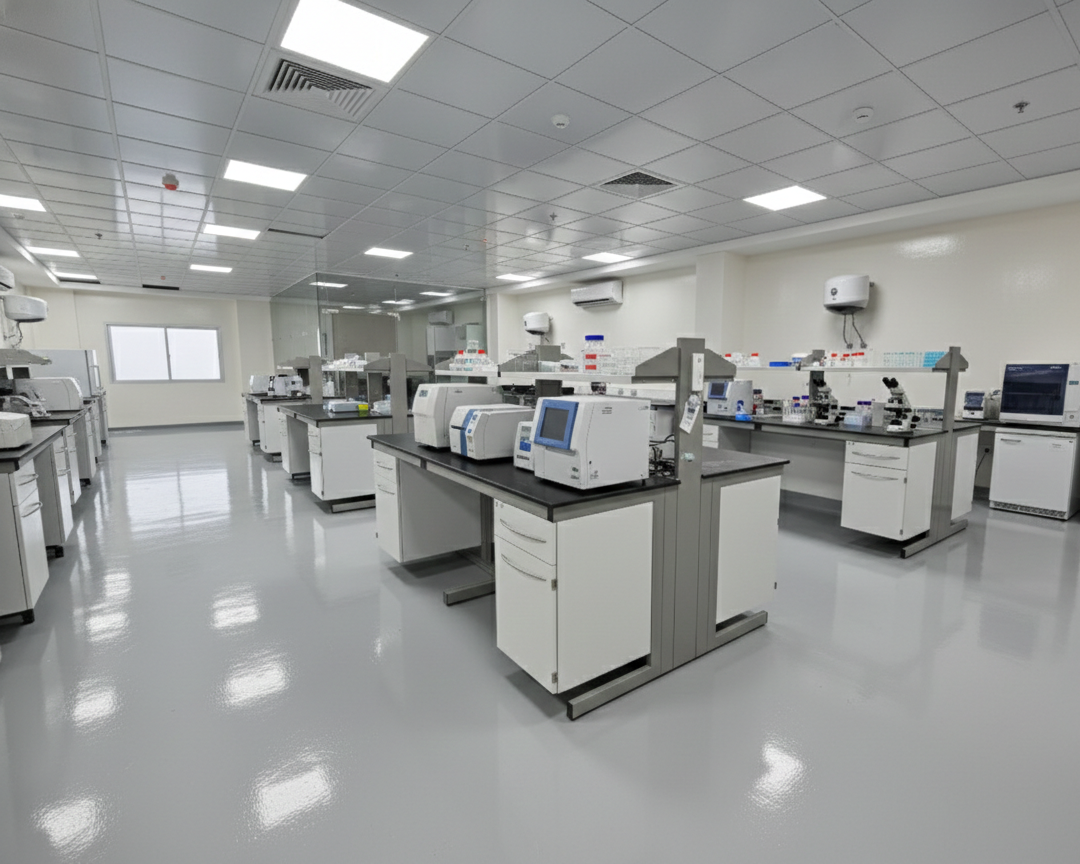
The Solution: Adopt Modular Lab Furniture and ceiling-mounted service panels. This allows for rapid reconfiguration as new technologies and instruments are integrated.
6. Poor Centralized Gas Management
Handling high-pressure or flammable gases (Hydrogen, Argon, Nitrogen) inside the lab is a major safety risk.
The Mistake: Storing gas cylinders directly next to workstations.
The Solution: Install a Centralized Gas Distribution System with external storage, high-purity Grade 316 piping, and automated leak detection sensors.
7. Neglecting Ergonomics and Human Factors
The productivity of a lab is directly tied to the comfort of its personnel.
The Mistake: Improper bench heights or inadequate lighting (Lux levels).
The Solution: Design workstations that support ergonomic postures, reducing physical strain and minimizing human error during delicate procedures.
8. Inefficient Waste and Drainage Planning
Lab effluents can be hazardous, corrosive, or bio-active.
The Mistake: Discharging untreated chemicals into standard plumbing.
The Solution: Integrate Acid Neutralization Tanks and specialized drainage systems. Designate clear zones for segregated waste disposal (Biohazard, Chemical, and Radioactive).
9. Disregarding Digital Infrastructure (LIMS & IoT)
Modern labs are increasingly data-driven and automated.
The Mistake: Messy cable management and lack of data ports for equipment connectivity.
The Solution: Future-proof your lab with robust IT Infrastructure, ensuring seamless integration with LIMS (Laboratory Information Management Systems) and IoT sensors for 24/7 environmental monitoring.
10. Ignoring Accreditation and Compliance Codes
Failing to plan for regulatory standards from Day 1 can lead to expensive retrofitting.
The Mistake: Designing without considering ISO 17025, GLP, or OSHA standards.
The Solution: Partner with experts who specialize in lab-specific building codes to ensure your facility is “Accreditation-Ready.”
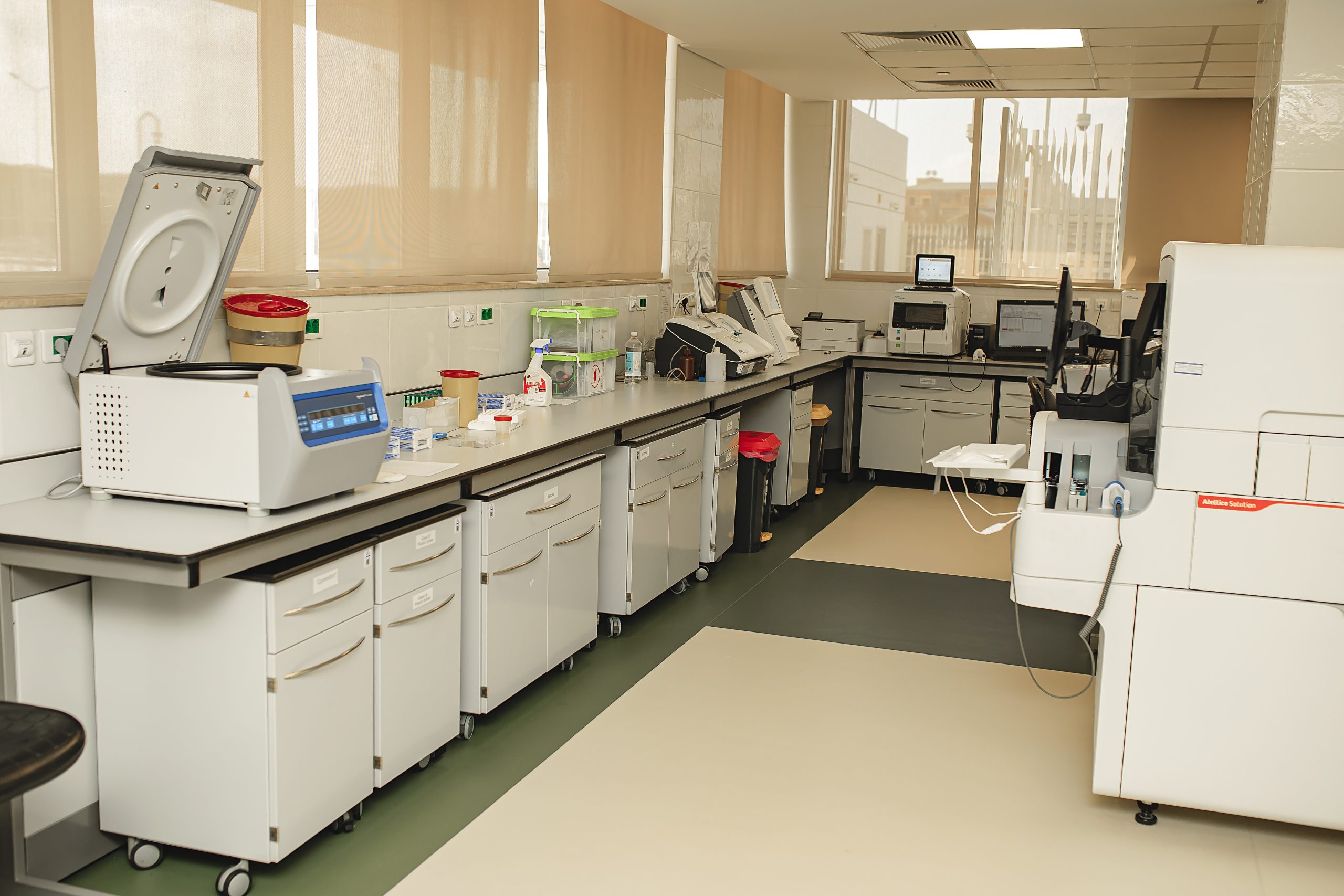
Global Standards & References
Our planning and execution processes are aligned with the following international benchmarks:
SEFA (Scientific Equipment and Furniture Association): Global standards for lab furniture durability and chemical resistance.
ASHRAE 110: The industry standard for testing the performance of Laboratory Fume Hoods.
NFPA 45: Standard on Fire Protection for Laboratories Using Chemicals.
ISO/IEC 17025: General requirements for the competence of testing and calibration laboratories.
OSHA Laboratory Standard: Regulations for protecting workers from exposure to hazardous chemicals.
ANSI/ASSP Z9.5: The American National Standard for Laboratory Ventilation.
About Integrated Scientific Group (Chameza Group Partner)
At Integrated Scientific Group, we don’t just supply equipment; we engineer scientific success. As a leader in Turnkey Laboratory Solutions, we provide end-to-end services from initial conceptual design to final commissioning and maintenance.
By combining engineering excellence with deep scientific insight, we ensure your laboratory is safe, compliant, and optimized for the future.